In Bomal, young people in exile find the space to be teenagers again

Caritas International Belgium In Bomal, young people in exile find the space to be teenagers again

© Caritas International

© Caritas International

31/07/2026

For four days, young people supported by Caritas International’s Youth in Transit projects in Brussels and Liège stepped away from their daily routines to take part in a summer camp in Bomal. Behind the activities, swimming and moments of relaxation lies an essential goal: giving young people who arrived alone in Belgium the opportunity to take a break, build connections and make their voices heard.

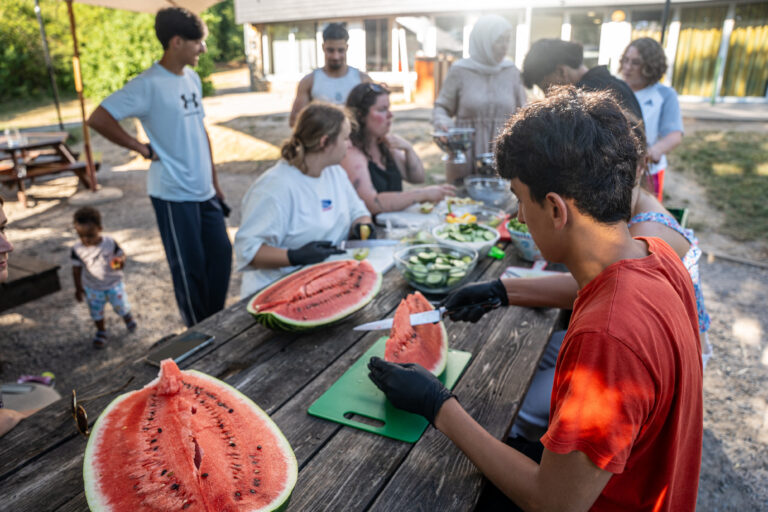
In the garden bordering the forest, a ball flies from one group to another. Nearby, young people improvise a water-gun battle. Others dance, film videos or chat with the educators.

In Bomal, the Youth in Transit groups from Brussels and Liège came together for a summer camp. The programme included kayaking, swimming, a barbecue, football, volleyball and group activities. Simple holiday moments, just like many other young people enjoy during the summer.

But for the young people at the camp, those simple moments carry a special meaning.

The young people supported by Youth in Transit arrived in Belgium alone, without their parents or a legal guardian. Once they obtain a residence permit or reach a new stage in their procedure, they gradually leave collective reception centres to move towards more independent living. In both Liège and Brussels, Caritas provides them with transitional housing and personalised support.

This transition requires them to quickly learn how to manage their accommodation, budget, schooling, appointments and administrative procedures. Many also worry about the family members they left behind, think about family reunification or feel the pressure to earn an income as soon as possible.

Becoming independent is an essential step in their journey. But it can also weigh heavily on the shoulders of young people who are still teenagers.
Caritas International Belgium In Bomal, young people in exile find the space to be teenagers again

© Caritas International

As Samir Saibi, an educator at Caritas International since 2015, explains, the camp gives young people “the opportunity to be teenagers again, to simply be young and to feel that they belong to a group.” For a few days, they can set aside some of the responsibilities of everyday life and simply catch their breath.

The right to take a break

Rest, play and leisure are not secondary to young people’s development: they are rights recognised by the United Nations Convention on the Rights of the Child. For young people marked by exile, separation from their families and uncertainty about the future, these shared experiences can also strengthen their sense of safety, social connections and self-confidence.

Caritas International Belgium In Bomal, young people in exile find the space to be teenagers again

© Caritas International

Some of the activities in Bomal were designed with a specific educational purpose. The young people took part in teamwork and cooperation challenges that combined collaboration, competition and personal growth. The aim was not only to push themselves further, but also to discover new abilities and find their place within the group. Other moments were left entirely unstructured. That balance matters. It prevents every moment from becoming another learning exercise. Young people can join in, suggest an activity or simply enjoy the present moment. Relaxation is not a reward that comes after becoming independent; it is one of the conditions that helps make independence possible.

Mohabbat, 18, arrived in Belgium from Afghanistan in 2021. He sums up the camp in a few simple words: “We’re on holiday. We do lots of activities and really enjoy ourselves.” Speaking about the team members who have supported him since his arrival, he adds: “They’ve helped me so much.”

His testimony reminds us of a reality that is often overlooked in discussions about migration: young people in exile are not defined by their administrative journey or the hardships they have faced. They also have interests, a sense of humour, friendships, ambitions and the desire to fully experience their youth.

Independence is never built alone

Youth in Transit supports unaccompanied minors aged approximately 15 to 18 as they move towards a more independent life. Active in Brussels, Liège and Mechelen, the project offers individual studio flats or shared accommodation, depending on the location. The teams support young people with their education, daily life, administrative procedures, access to housing and the development of a social network.

The aim is not to do things for them, but to equip them with the skills and confidence they need to gradually become independent.

Being independent does not mean facing everything alone. A young person who knows who to turn to when difficulties arise has more resources to find solutions independently. The camp helps build that relationship of trust in a setting that is very different from everyday life.

Throughout the year, interactions with the team are often shaped by appointments and administrative procedures. In Bomal, young people and staff cook, play and take part in the same activities together. These shared moments strengthen relationships and make the support provided afterwards even more meaningful.

After more than eight years of participating in these camps, Samir observes the same pattern every time: “Even after the very first day, you can already see a change in the attitude of both the colleagues and the young people.” Sometimes, just a few days are enough to create a fresh start.

From the field to advocacy: amplifying young people's voices

The camp also hosted an activity organised as part of the European POWER2UAMs project, in collaboration with NADOE and Caritas International’s advocacy team.

The project aims to improve unaccompanied minors’ access to essential services — including education, housing, healthcare and protection — while giving them a stronger voice in the decisions that affect their lives.

Caritas International Belgium In Bomal, young people in exile find the space to be teenagers again
© Caritas International
Caritas International Belgium In Bomal, young people in exile find the space to be teenagers again

© Caritas International

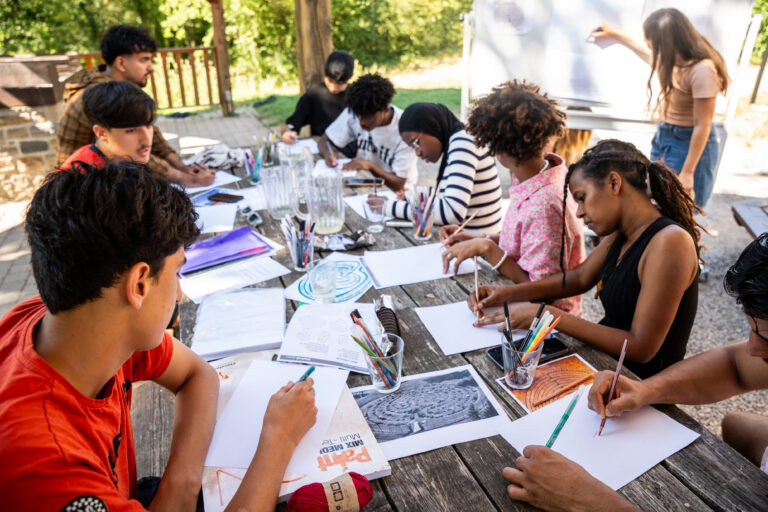
In Bomal, this took the form of a participatory workshop. The young people first drew a maze representing the obstacles they encounter on their journey: difficult-to-find information, complex procedures, being referred from one service to another or the absence of a clearly identified contact person.

Caritas International Belgium In Bomal, young people in exile find the space to be teenagers again

© Caritas International

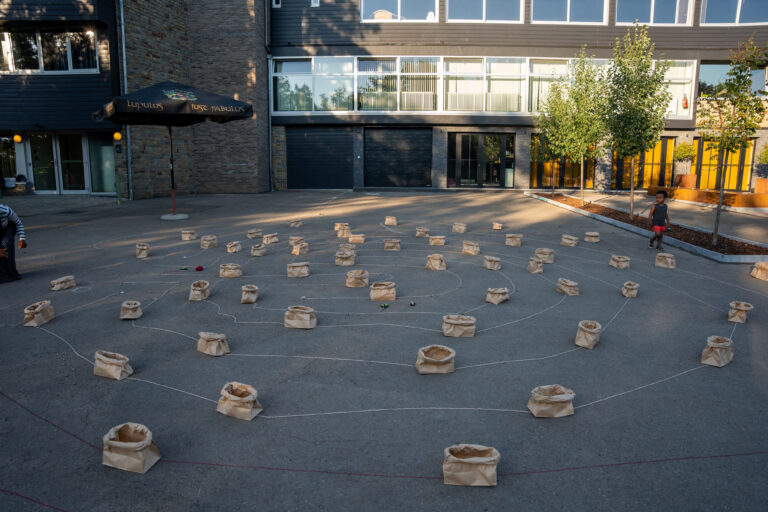
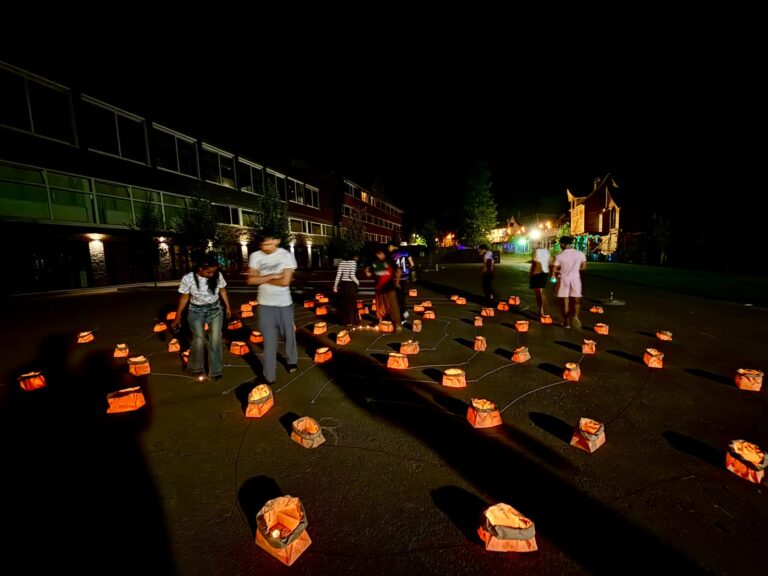
That evening, the drawing was transformed into a life-sized maze built collectively. The activity allowed the young people to share their experiences in a different way, compare perspectives and imagine possible solutions together.

The insights gathered through these activities are then translated into recommendations, training sessions and advocacy actions aimed at sustainably improving policies and services for unaccompanied minors.

Linked news

All the news