After the earthquakes, Venezuela faces major challenges

Caritas International Belgium After the earthquakes, Venezuela faces major challenges

© Caritas Venezuela

© Caritas Venezuela

30/06/2026

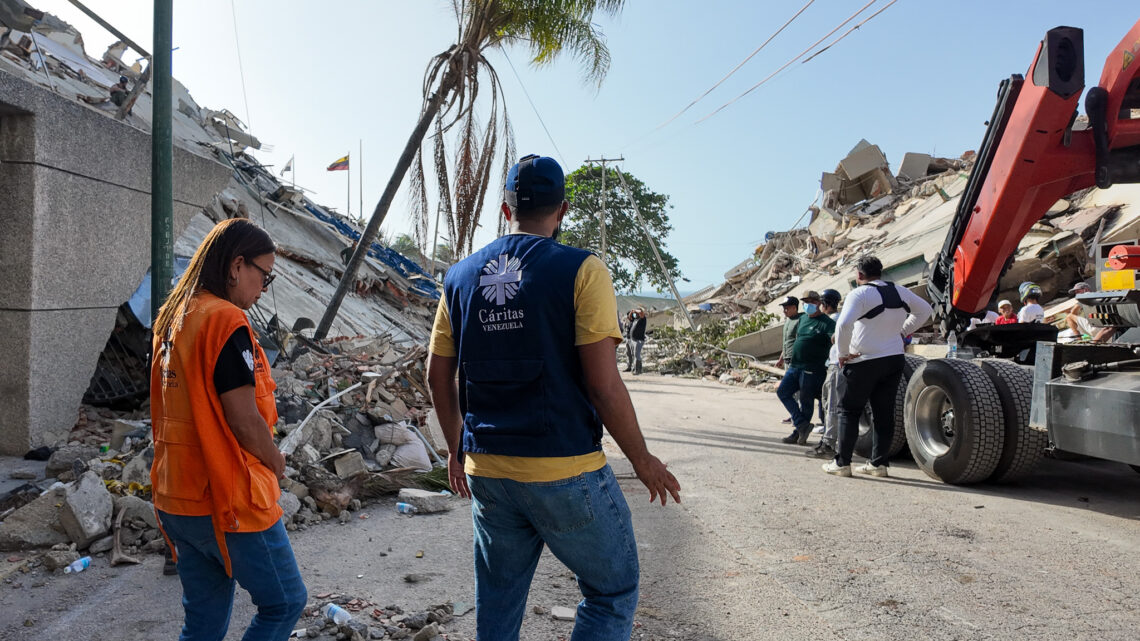
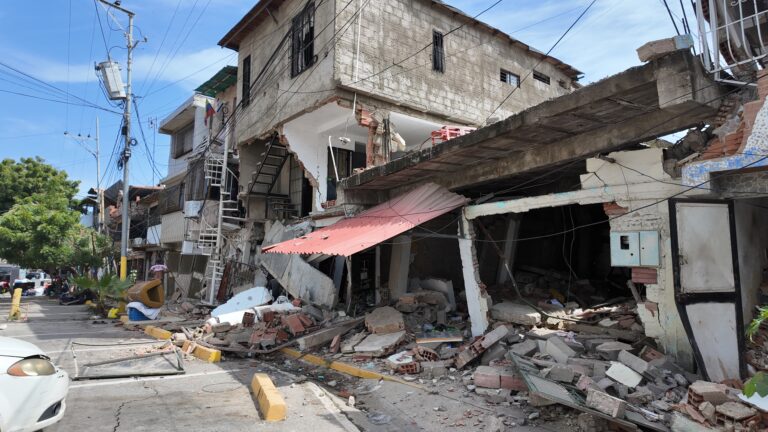
Two powerful earthquakes struck Venezuela on 24 June. Images of collapsed buildings reveal the scale of the destruction, but they tell only part of the story. The country was already facing a deep humanitarian crisis. Today, needs continue to grow as thousands of families are left without shelter, clean water or access to healthcare.

On 24 June, two earthquakes measuring 7.2 and 7.5 struck just 39 seconds apart. Because both quakes occurred at a shallow depth, their destructive impact was exceptionally severe.

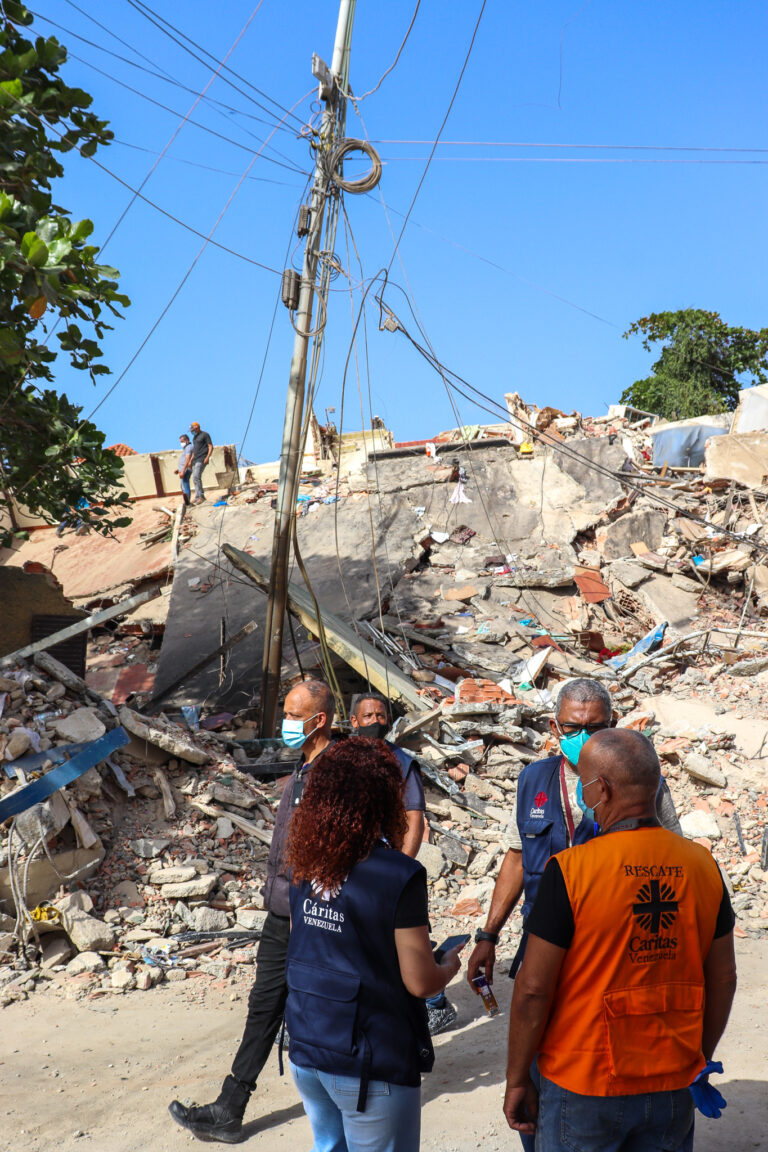
According to the authorities, more than 1,700 people have lost their lives, thousands more have been injured and hundreds of buildings have collapsed. Search and rescue operations are still ongoing, while several thousand people remain missing beneath the rubble.

Caritas International Belgium After the earthquakes, Venezuela faces major challenges

© Caritas Venezuela

In several neighbourhoods of Caracas and in La Guaira State, apartment buildings have collapsed or suffered severe structural damage. Even where homes are still standing, many families are afraid to return because of the risk of aftershocks. More than 300 have already been recorded.

A disaster striking a country already in crisis

The earthquake did not strike a country that was well prepared. Even before the disaster, nearly 7.9 million people in Venezuela already required humanitarian assistance.

For several years, the country has faced a prolonged economic and social crisis. The healthcare system is under severe pressure, access to safe drinking water remains difficult in several regions, and many families have long been living in situations of extreme vulnerability.

This context makes the humanitarian response even more challenging.

Caritas International Belgium After the earthquakes, Venezuela faces major challenges

© Caritas Venezuela

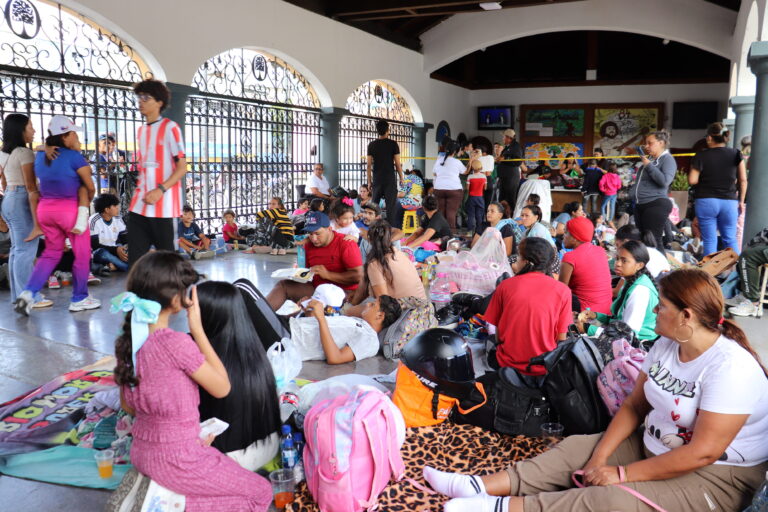
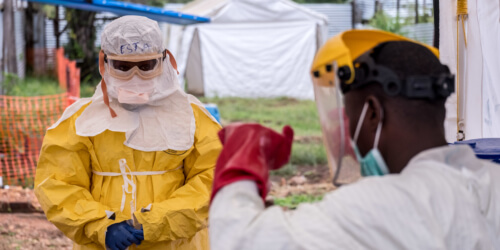
Hospitals are treating large numbers of injured people despite already operating with limited resources. Damaged water networks increase the risk of disease outbreaks. Families who have lost their homes are forced to spend the night in parks, public squares or temporary shelters because they have nowhere else to go.

Needs go far beyond emergency relief

In the first hours after an earthquake, the priority is to rescue survivors and care for the injured. But other urgent needs quickly emerge.

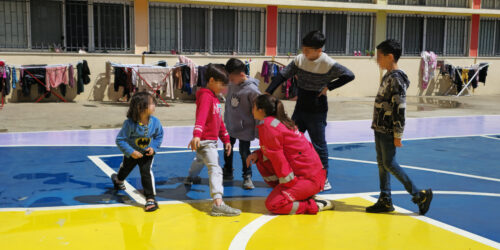
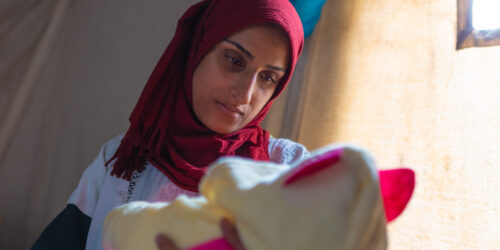
Families need safe drinking water, food, medicines, hygiene kits, temporary shelter and psychosocial support. Older people, children, pregnant women and people living with chronic illnesses are among those most at risk.

Damage to infrastructure is also making it more difficult to deliver aid and assess which buildings remain safe to occupy.

The Caritas network is already responding

Caritas International Belgium After the earthquakes, Venezuela faces major challenges

© Caritas Venezuela

Within hours of the disaster, Caritas Venezuela activated its emergency response network.

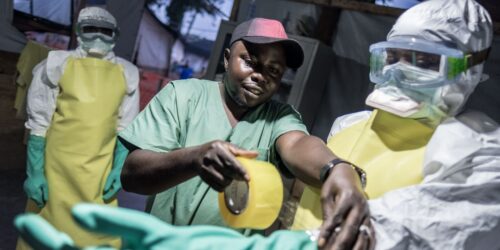
Present throughout the country through its 35 diocesan offices and nearly 30,000 volunteers, the organisation is assessing needs, sheltering families in parish facilities, distributing emergency assistance and coordinating its response with humanitarian partners.

To speed up assistance, Caritas Venezuela has launched its 24×24 Plan.

The approach is simple: days dedicated to receiving, sorting and preparing donations alternate with days devoted entirely to distributing relief to affected communities. This system maintains a continuous flow between incoming aid and the families who need it most, while ensuring transparency and constant adaptation to needs on the ground.
Solidarity that must continue

The emergency will not end when search and rescue operations are over. In the weeks and months ahead, families who have lost their homes will continue to need support. Health centres must be strengthened, water networks repaired and communities supported as they gradually rebuild their daily lives.

In Venezuela, this disaster adds to a humanitarian crisis that has been unfolding for years. That is why solidarity is needed not only in the immediate aftermath of the earthquake, but for the long term as well.

Linked news

All the news