Trainings in Croatia and Poland: Building Knowledge and Connection

Caritas International Belgium Trainings in Croatia and Poland: Building Knowledge and Connection
30/12/2025

Return and reintegration counselling is often discussed in policy terms, but in practice it is about people and difficult decisions. Through a series of trainings, study visits, and exchanges, the SRC project connected counsellors, civil society organisations, and public authorities across Europe and beyond. From Croatia and Poland to Nepal, these encounters helped ground counselling in real experiences of return, strengthening cooperation and supporting more informed and humane guidance for migrants facing uncertain futures.

Caritas International Belgium Trainings in Croatia and Poland: Building Knowledge and Connection

Screening Center in Dugi Dol

In the context of this project, Caritas organized two training sessions on return, reintegration and future orientation for social workers from civil society organisations. The first major training took place in Zagreb, Croatia, from 30 March to 3 April 2025. Organised by Caritas International Belgium in partnership with Caritas Croatia and JRS Croatia, the training gathered thirty-five participants from civil society organisations, public institutions, and international networks. Over four days, the group combined presentations with field experiences.

The programme began with field visits to the Reception Centre for Asylum Seekers in Porin, the Reception Centre for Foreigners in Ježevo, and the Screening Centre in Dugi Dol near Krnjak. These visits offered participants direct insight into Croatia’s migration and return structures, illustrating the challenges faced by migrants as well as the crucial role of counsellors who provide information.

Caritas International Belgium Trainings in Croatia and Poland: Building Knowledge and Connection

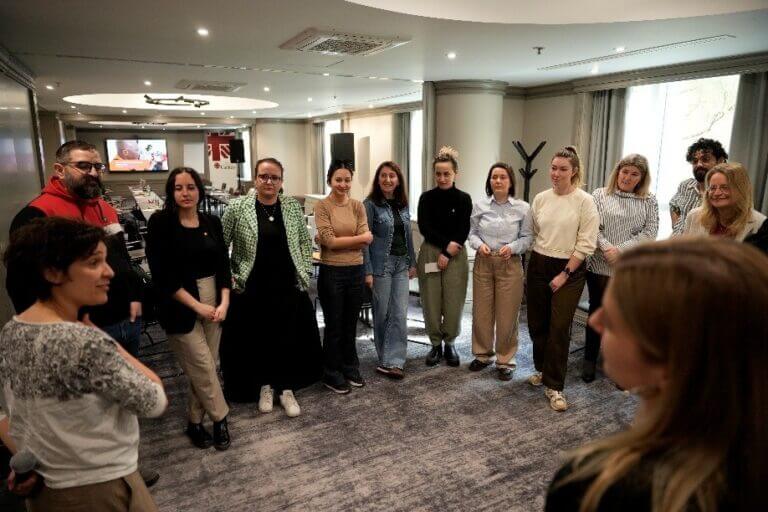
Future Orientation, Elena Cavagni (Dutch Refugee Council)

The following days were devoted to a blend of expert lectures and practical workshops. Professor Iris Goldner Lang from the University of Zagreb presented an analysis of the EU Migration Pact and its implications for Croatia and other EU member states. The Director of JRS Croatia offered an overview of the national migration context, while representatives from the Ministry of the Interior discussed the country’s participation in the European Return and Reintegration Partnership and the importance of cooperation with civil society. Their engagement demonstrated Croatia’s openness to dialogue and partnership with non-governmental actors.

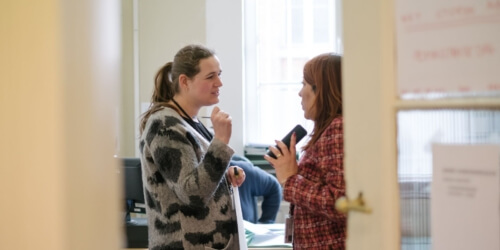
The training also featured practical workshops led by members of the ERSO network. The Dutch Refugee Council facilitated sessions on future orientation, the Danish Refugee Council shared tools for trauma-sensitive communication, Caritas International Belgium guided participants through return and reintegration counselling, and Caritas Albania contributed its experience in post-return support. Together, these sessions strengthened counselling techniques and encouraged reflection on ethical, cultural, and psychosocial dimensions of the work.

Later in 2025, a second SRC training was organised in Poland, in collaboration with Caritas Poland. This session built on the lessons learned in Croatia but adapted the content to the Polish context, where Caritas operates more than a hundred migrant centres across the country. These centres host both international migrants and displaced Ukrainians, making Poland an important setting for developing counselling approaches that address both immediate humanitarian needs and long-term reintegration possibilities.


Caritas International Belgium Trainings in Croatia and Poland: Building Knowledge and Connection
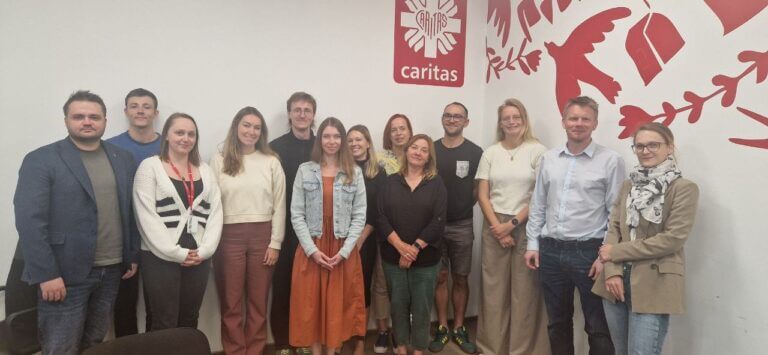
The training in Poland together with Caritas Poland and local reintegration partner Caritas Ukraine (4-6 August 2025)

Study Visit to Nepal (26-29 August 2025)

In August 2025, the SRC project reached beyond Europe with a study visit to Nepal, a key country of return for many migrants assisted through the EURP programme. The visit, held from 26 to 29 August, brought together representatives from civil society organisations in Bulgaria, Croatia, Albania, and Kosovo, as well as officials from the Croatian Ministry of the Interior. Their presence ensured a valuable exchange between those who counsel migrants before departure and those who support them upon arrival.

The visit was motivated by the growing number of voluntary returns of Nepalese nationals from Europe, particularly from Croatia and Bulgaria. For many counsellors, understanding the realities of life after return was essential for providing more realistic and empathetic guidance to migrants considering their options.

Through plenary discussions, partner presentations, and field visits, participants explored the economic, social, and cultural factors that shape migration and reintegration in Nepal.

Caritas International Belgium Trainings in Croatia and Poland: Building Knowledge and Connection

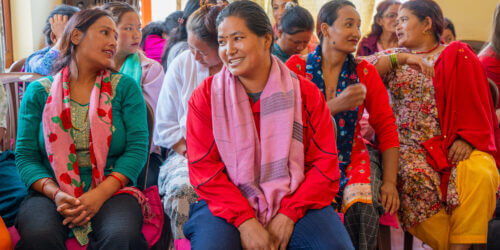
They learned from Caritas Nepal, a long-standing organisation active in livelihoods, safe migration, and community resilience. Participants also visited local reintegration projects in the Kathmandu Valley, where they met returnees who had started small businesses, such as taxi services, metal craft workshops, and dairy enterprises. These encounters illustrated how reintegration support helps people rebuild their lives and regain stability after often difficult migration experiences. Many returnees spoke about the hardships they had faced abroad, including debt, exploitation, and unsafe working conditions, but also about the opportunities that counselling and reintegration assistance had created for them back home.

A highlight of the visit was the active participation of Croatian authorities, who work in detention and return procedures. Their engagement with Caritas Nepal provided a direct link between European institutions and local reintegration partners. The Croatian delegation even joined a live online counselling session with a Nepali migrant still in Croatia, demonstrating how international cooperation can make counselling more connected and effective.

By deepening participants’ understanding of the Nepalese context, the visit strengthened the capacity of European CSOs and authorities to provide informed counselling to returnees. Meeting the people behind the stories served as a powerful reminder that this work is about real lives, not just policies and procedures.

Caritas International Belgium Trainings in Croatia and Poland: Building Knowledge and Connection

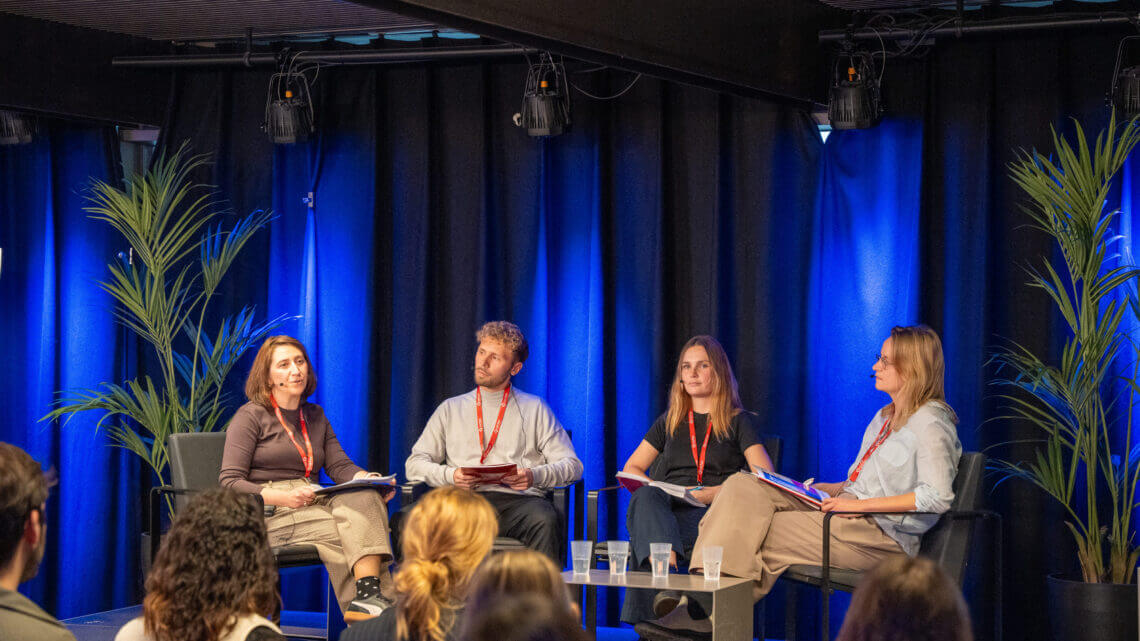
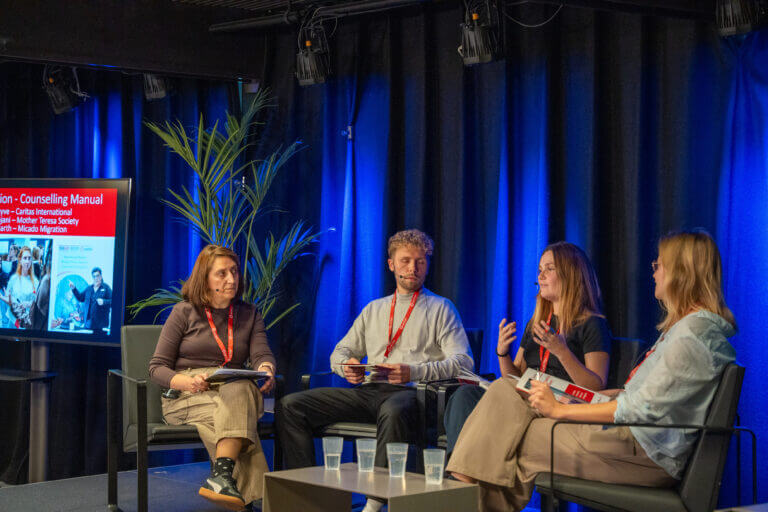
Panel: Counselling Manual on return, reintegration and future orientation

Closing Event in Ghent (29 October 2025)

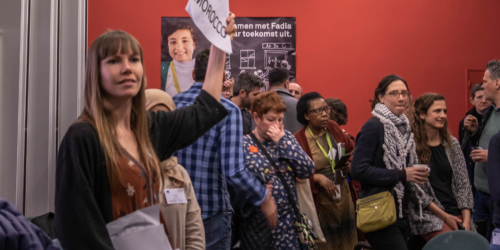
The SRC project officially concluded with its Closing Event on 29 October 2025 at De Krook in Ghent. Partners, counsellors, academics, and policy representatives gathered to celebrate the project’s achievements and reflect on the path forward.

The event opened with keynote speeches by Alexander Smits of DG HOME and Dries Lensen of ICMPD. Hannah Gondelaers delivered a presentation from the University of Ghent, which had conducted a Europe-wide survey mapping how civil society organisations provide counselling and what support they need.

Throughout the day, project partners shared their experiences from the various SRC activities. Ariela Mitri from Caritas Albania presented lessons from the Albanian study visit; Nanna Wamberg and Signe Sondergaard from the Danish Refugee Council spoke about cooperation with the Danish Return Agency; Meri Muse from JRS Croatia and Alexandra Sozc from Caritas Poland reflected on the trainings in their respective countries; and Sylvia Rai from Caritas Nepal, together with a representative of the Croatian Ministry of the Interior, described how their joint work had led to direct collaboration between Croatian detention counsellors and reintegration partners in Nepal.

A key moment of the event was the official presentation of the Counselling Manual. Co-developed and validated with twenty reintegration partners under the EU Reintegration Programme, the manual brings together practical tools, question lists, and examples from real counselling experiences. It is designed to guide counsellors in offering consistent, high-quality support to migrants across Europe and is being translated into eight languages to reach a wider audience.

During a panel moderated by Annabel Van Damme, coordinator of the SRC project, speakers including Mirlinda Gojani from the Mother Theresa Society in Kosovo, Timon Barth from Mikado Migration, and Febe Stuyve from Caritas International Belgium reflected on how the manual was developed and how it can be used in the future. They stressed that the manual is rooted in practice rather than theory, built from the insights of those who accompany migrants every day through challenging decisions about their futures.

The closing event also showcased short digital stories from returnees in Kosovo, Moldova, Albania, and Nepal. This reminded participants that behind every statistic lies a human story of courage, loss, and new beginnings.

Please find the Counselling Manual here

Linked news

All the news